
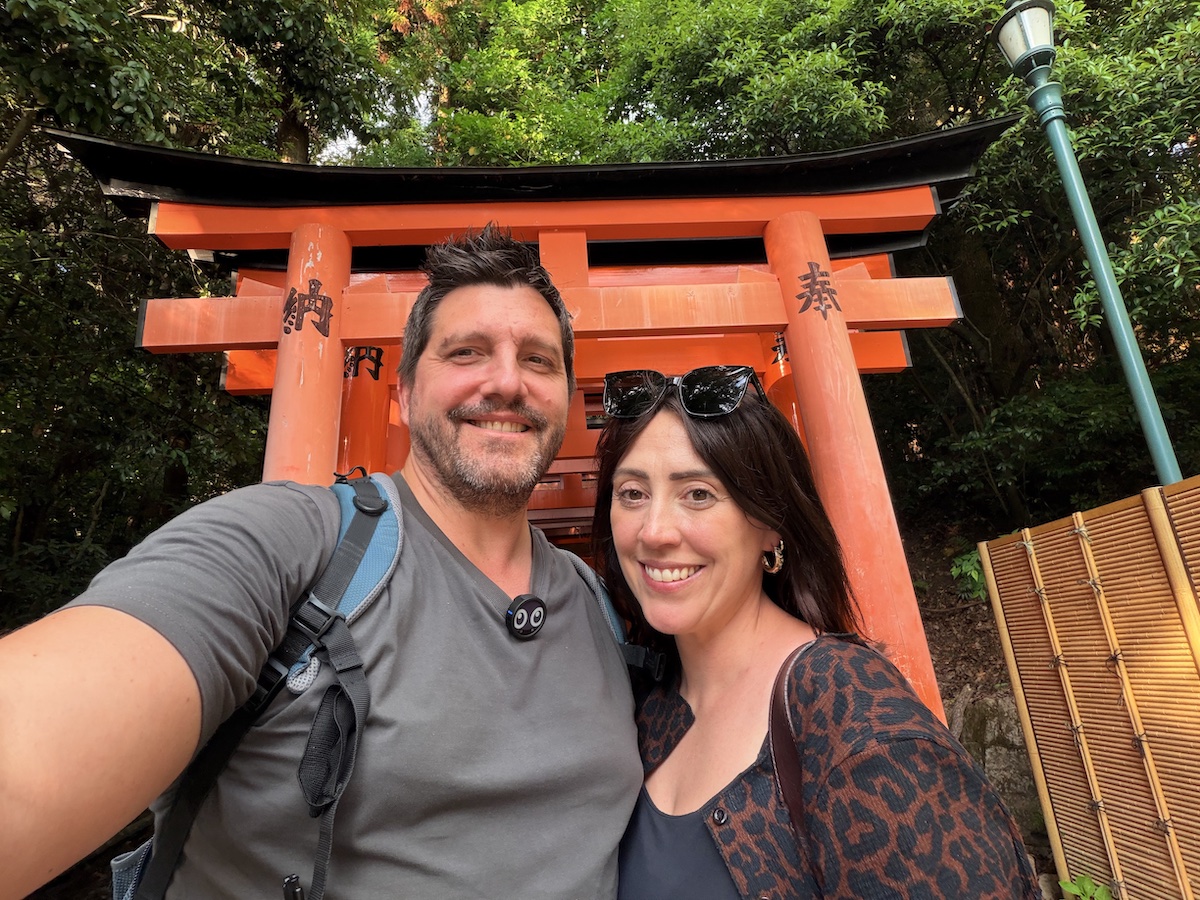
We were standing waiting to cross the road and the speaker above the crossing made a noise like a video game. A proper pew-pew-pew, like something out of an arcade from 1991. We were standing at the lights on our first morning in Tokyo, a little jet-lagged and overwhelmed, and I looked at Carlo and said… his is not what I expected.
We expected futuristic. We expected robots and screens and everything running on an app. And Japan is that, in places. But the thing that hit us – and it’s the thing we are still talking about weeks later – is how much of it felt like stepping back in time.
What made us finally book Japan?
We’d always wanted to go. It was one of those places that had been on the list for years and kept getting pushed back for one reason or another.
In the last couple of years it started getting really, really popular and we knew we had to push it up to second place on our to-visit list (just after China).
So, in June 2026, we finally touched down in Tokyo and scratched that “Japan itch”. Three weeks, six stops, countless bullet trains, and a Seven Eleven addiction that we are still not over.
Where did we go in Japan?
Tokyo first, then the bullet train down to Kyoto with a day trip to Nara, then Osaka, Hiroshima, and finally Fukuoka with a day trip across to Nagasaki. Three weeks in total.
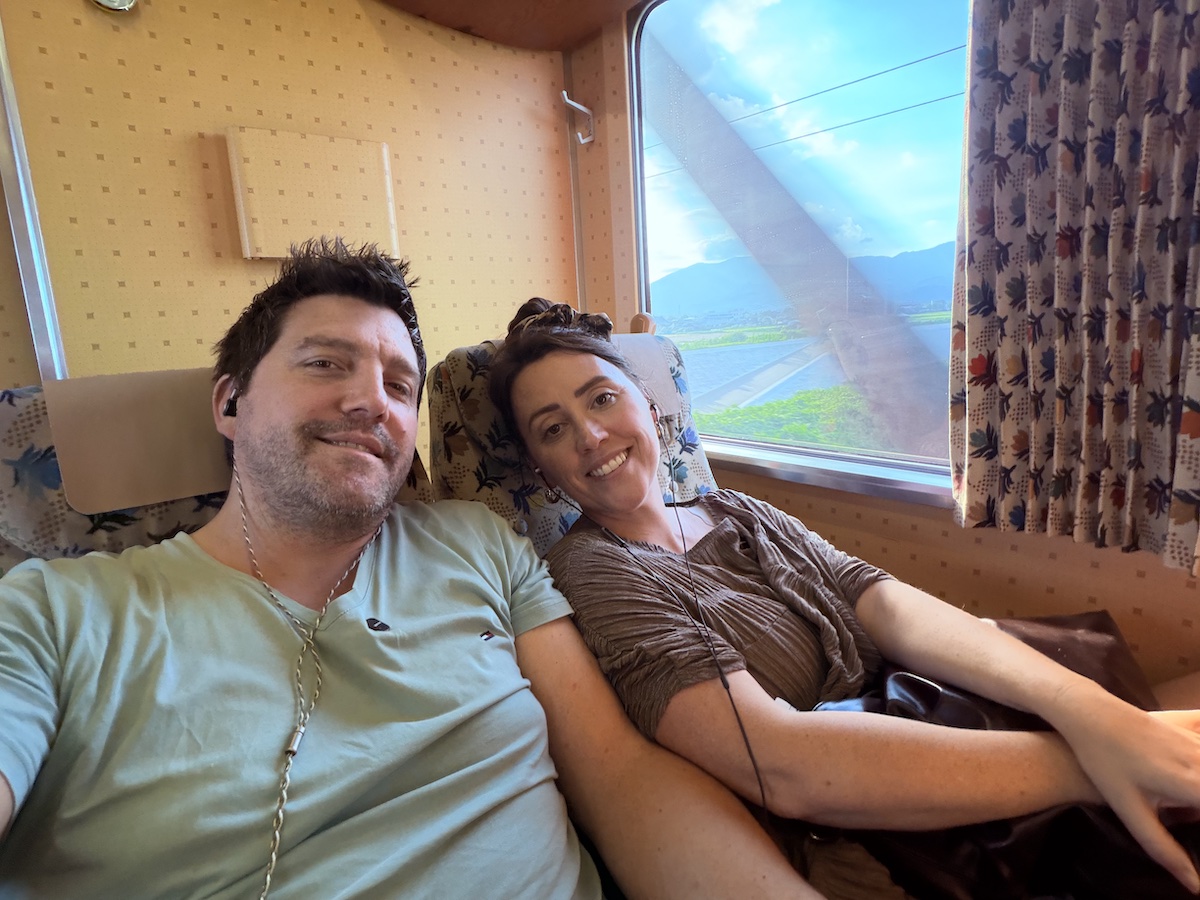
We used the Shinkansen – the high speed rail – between the main stops, and local trains for the shorter hops. We booked our first ticket from Tokyo to Kyoto at the station and then figured the rest out as we went.
Japan’s retro side: why nobody talks about this enough
This is the bit I really want to write about, because nobody warned us and it ended up being the thing we loved most.
You hear Japan and you think of the future. But so much of it is still living in the past, and not in a neglected way. In a deliberate, we-like-it-this-way kind of way.
The vending machines look like they haven’t been updated since 1988. The warm lighting inside buildings, the signage, the little jingles that play when a metro train pulls in… it all has this feel to it, like somebody decided that the late eighties worked just fine and there was no reason to change it.
There were machines everywhere that only took cash. Retro arcade games tucked away in basements. Vintage stores full of heavy, well-made clothes that you just don’t see anymore – graphic tees, band shirts, things that feel like they were made to last rather than made to be thrown away.
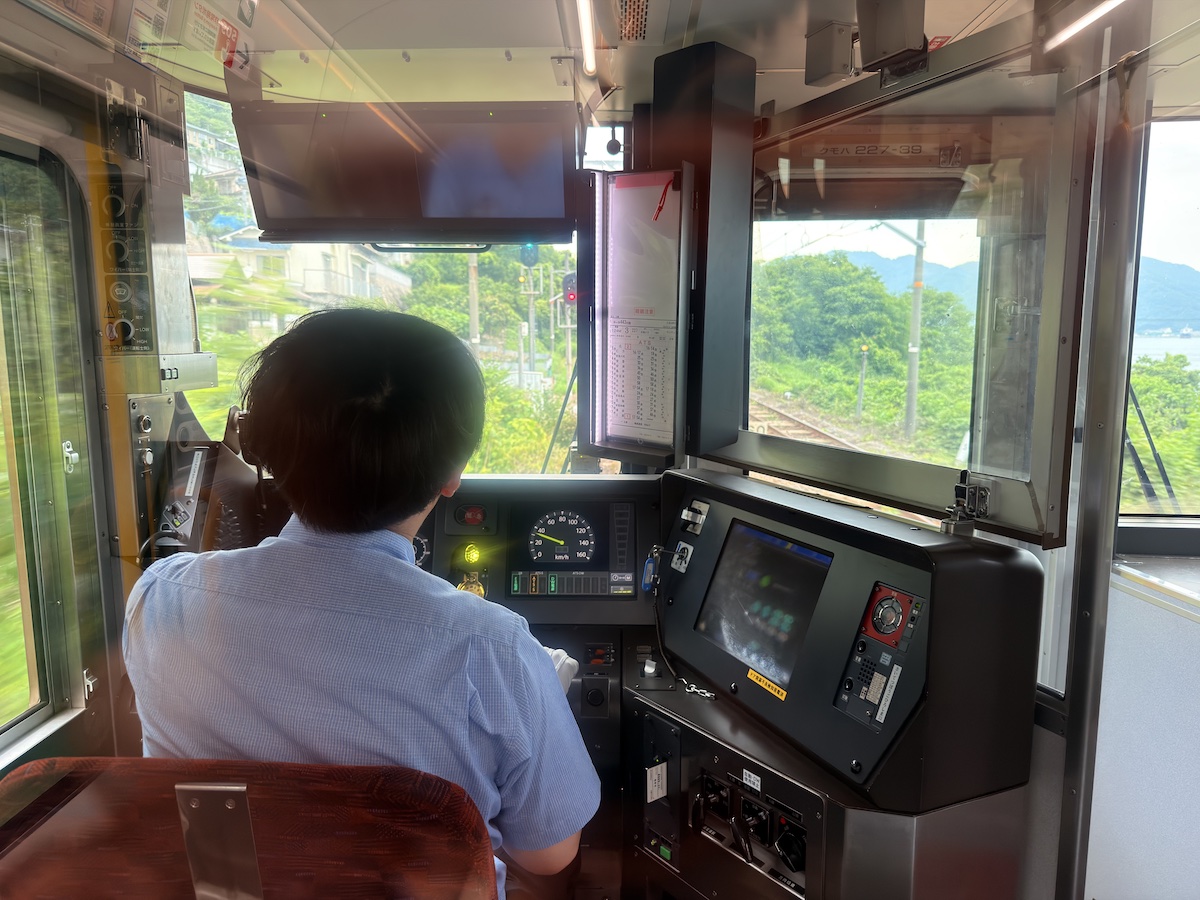
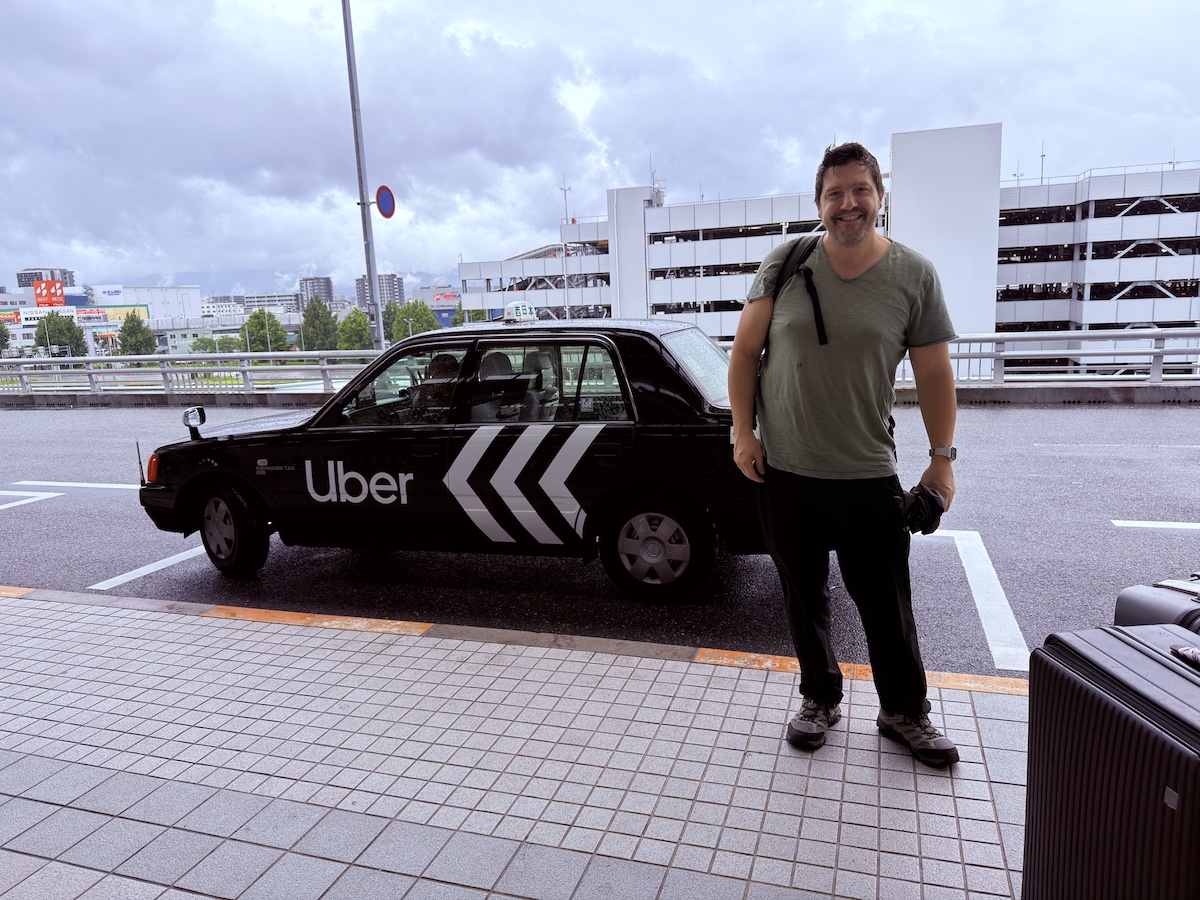
And then there were the small things that kept catching us off guard. The white lace covers draped over the seats in taxis. The taxi drivers wearing pristine white gloves and formal hats. The train drivers doing manual checks and pushing big clunky buttons before pulling out of each station.
I’d imagine if you visited Japan in 1990, a lot of it would look exactly the same as it does now. And I’d imagine that’s completely intentional. And this is a big part of why we fell so in love with it.
Tokyo: salary men and lonely evenings
The thing that fascinated us most about Tokyo wasn’t a temple or the word’s busiest pedestrian crossing. It was the salary men and salary women.
We had never heard about this side of Japan before, and once we noticed it we couldn’t stop seeing it.
You’d see the men and women wearing suits on the subway in the morning. They were noticeably exhausted, briefcases on their laps, and their eyes closed. Thousands of them, all heading the same direction – to the office.
And then you’d see them again at night, out drinking on the streets with their colleagues, and they’d look like completely different people. Happier, looser, like they’d been holding their breath all day and finally let it out.
But underneath all of that there was this loneliness to it that we couldn’t quite shake. It gave off a vibe that stayed with us for the whole trip, and it made us look at the city differently to how we probably would have otherwise.
It made us think about the work culture in Japan and the effect it has on these men and women. It made us want to dig deeper into why things work the way they do.
Why do people feel so much pressure to conform? To perform? To please their boss at all costs? Even if it means living a life that doesn’t feel true to what they really want.
All of this certainly changed how we viewed the men and women on the subways in the mornings. It made us think more about life and the career and society expectations that are still dominating the lives of so many.
Kyoto and Nara: the quiet stops
After Tokyo, Kyoto felt like someone had turned the volume down. It was traditional, calm, and slow in a way that we needed after walking the busy streets of the capital.
We did a day trip to Nara to see the deer, and it was exactly as good as everyone says it is. No surprises there, just a really lovely and memorable day.
Osaka: losing money and loving every minute
Osaka was all about the food and the energy of the place.
We found a pachinko arcade in the old part of the city and spent hours in there. If you haven’t played pachinko, it’s a kind of traditional pinball game where you buy little steel balls and feed them into the machine and hope for the best.
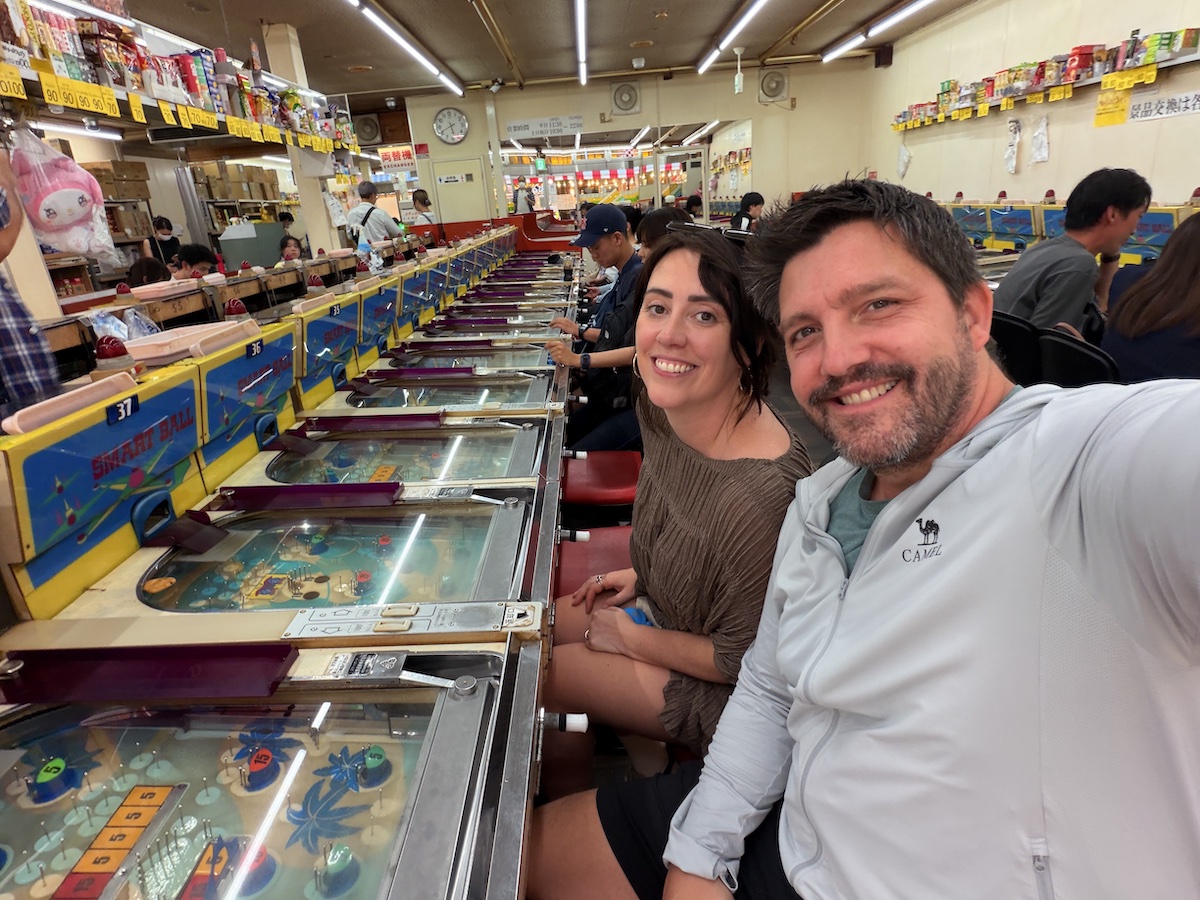
Carlo was absolutely convinced he’d figured out a system after about twenty minutes but he definitely wasn’t showing signs that he’d cracked the code. We lost money but we had an absolutely brilliant time doing it.
Hiroshima: the stop that changes you
We went to the Atomic Bomb Dome and the museum, and it was one of the most sobering experiences we’ve had in all our travels. You walk through that museum and you see the worst of what humanity is capable of.
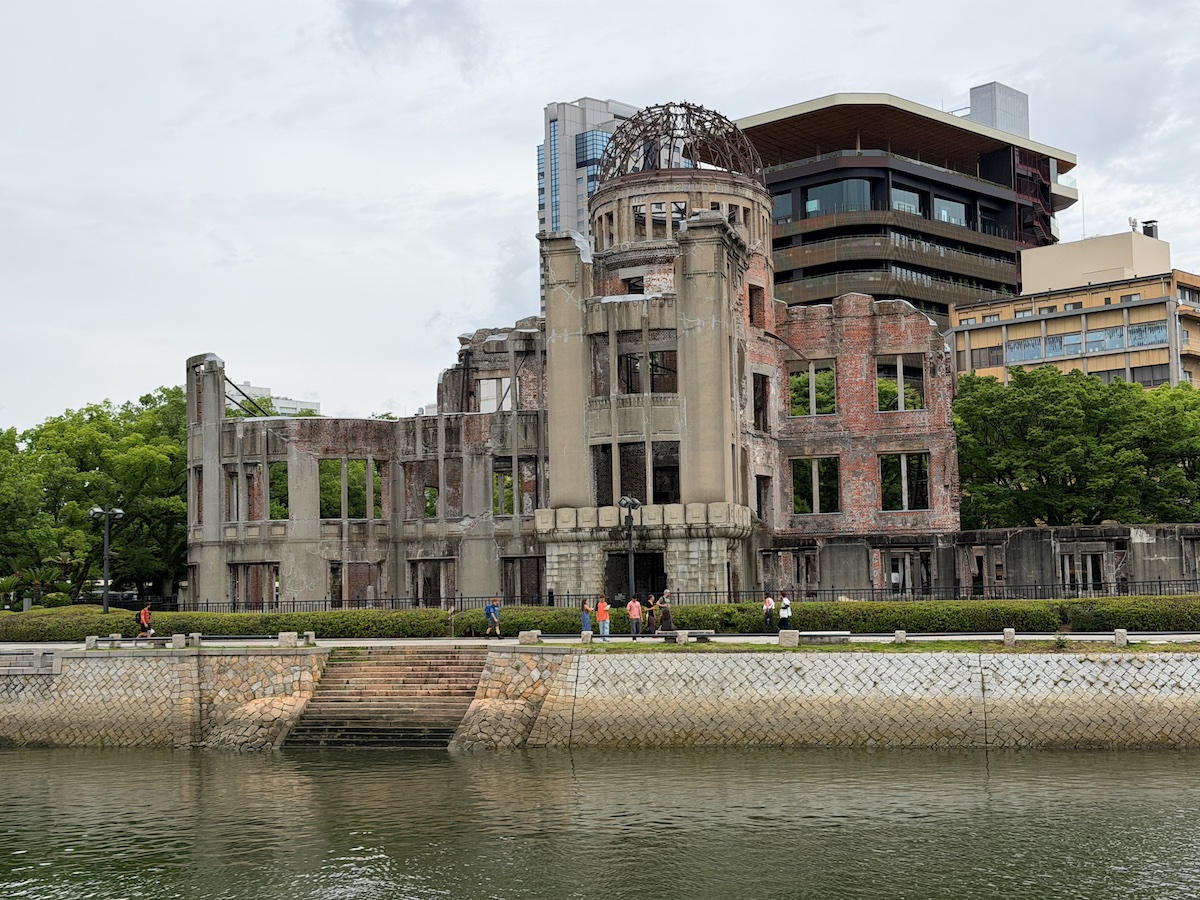
There isn’t much else to say about it, really, except that everyone should go and everyone should sit with what they learn there.
Fukuoka and Nagasaki: rain and real life
Fukuoka was our last stop, and it rained the entire time we were there. But we actually liked that about it. It felt like regular Japanese city life without the tourist crowds – no queues, nobody with selfie sticks, just a city going about its day.
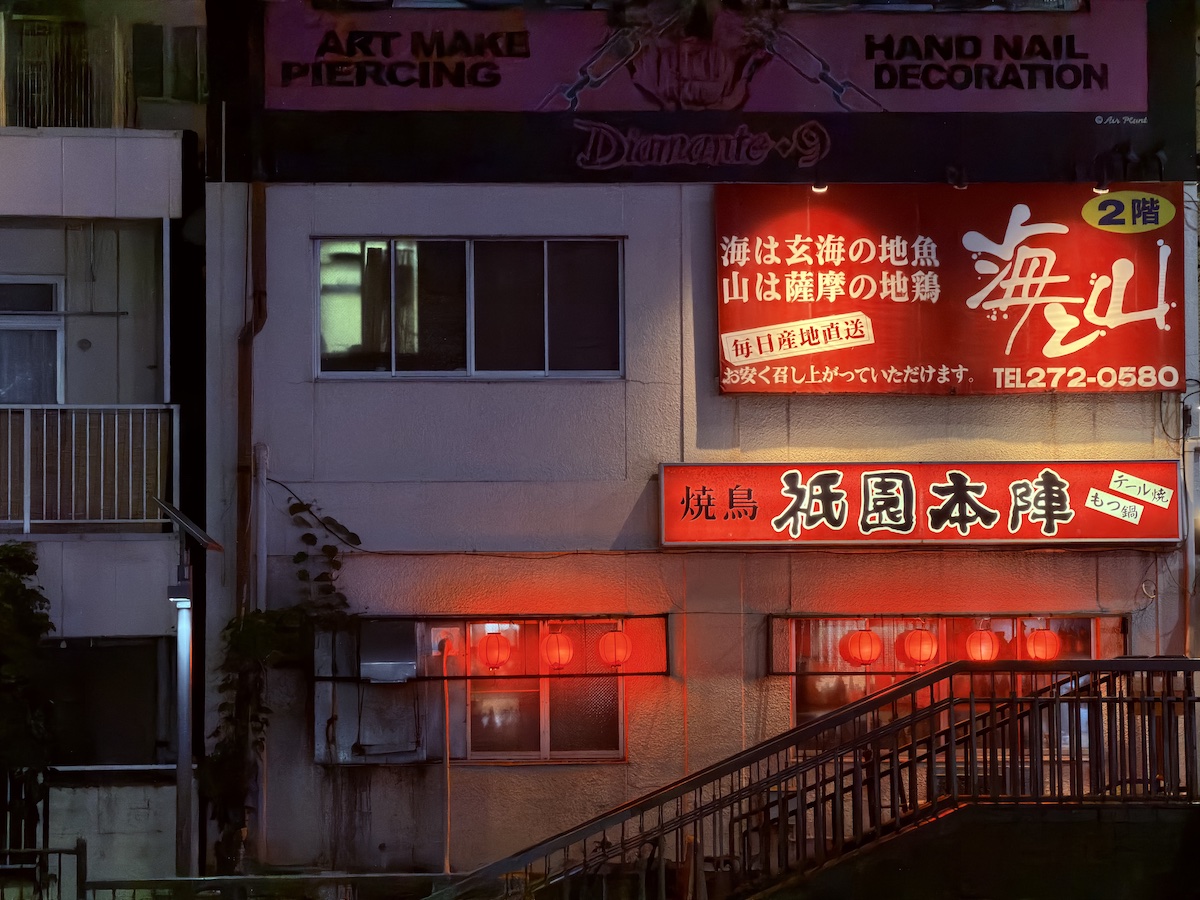
We took a day trip across to Nagasaki for the museum. Between Nagasaki and Hiroshima, this trip gave us a lot to think about and we left with a hope that humanity will learn from the past.
The Seven Eleven obsession
I need to talk about Seven Eleven because we went almost every single evening and it became a proper ritual.
The food in Japanese Seven Elevens is absolutely nothing like what you’d expect from a convenience store. Fresh sushi. Onigiri – those rice triangles wrapped in seaweed. Beef curry pot noodles. Fresh fruit. Freeze dried strawberries covered in chocolate that I became slightly obsessed with. And these smoothies where you pick your flavour, bring the cup to a machine in the shop, and it blends it fresh right there in front of you. Really cheap and really good.
It probably saved us a fortune over three weeks, and honestly some of the best things we ate came from a convenience store, which tells you everything about Japan.
Was Japan expensive?
It was actually cheaper than we expected. We’d braced ourselves for it to be really pricey, and it just… wasn’t.
The trains can be expensive compared to somewhere like China, but we were expecting that so it didn’t come as a shock. Everything else – food, accommodation, daily spending – came in under what we’d budgeted for. Seven Eleven helped with that, obviously.
Did we struggle with the language?
Not as much as we thought we would. We’d just come from two months in China where the language barrier is much harder to deal with, so Japan felt manageable by comparison. Not many people speak English and a lot of the signage isn’t translated, but between Google Translate and hand gestures and a bit of patience we got by fine.
Would we go back to Japan?
In a heartbeat as we feel like we barely scratched the surface.
There is so much more to Japan than what you see on the surface. You might see the neon and the bullet trains and think that’s it, but underneath all of that there are these layers that take you by surprise. The salary men falling asleep on the subway. The nostalgia everywhere you look. The lace seat covers and the white gloves and the little jingles when the train arrives. The food in a convenience store that’s better than most restaurants at home.
That’s why we can’t stop thinking about it. Not because of the big, obvious stuff, but because of all the small things that added up to something we really weren’t expecting.
If you’ve been to Japan, we’d love to hear what stuck with you.